The Virtues and Importance of Laylatul Qadr in Islam
Introduction
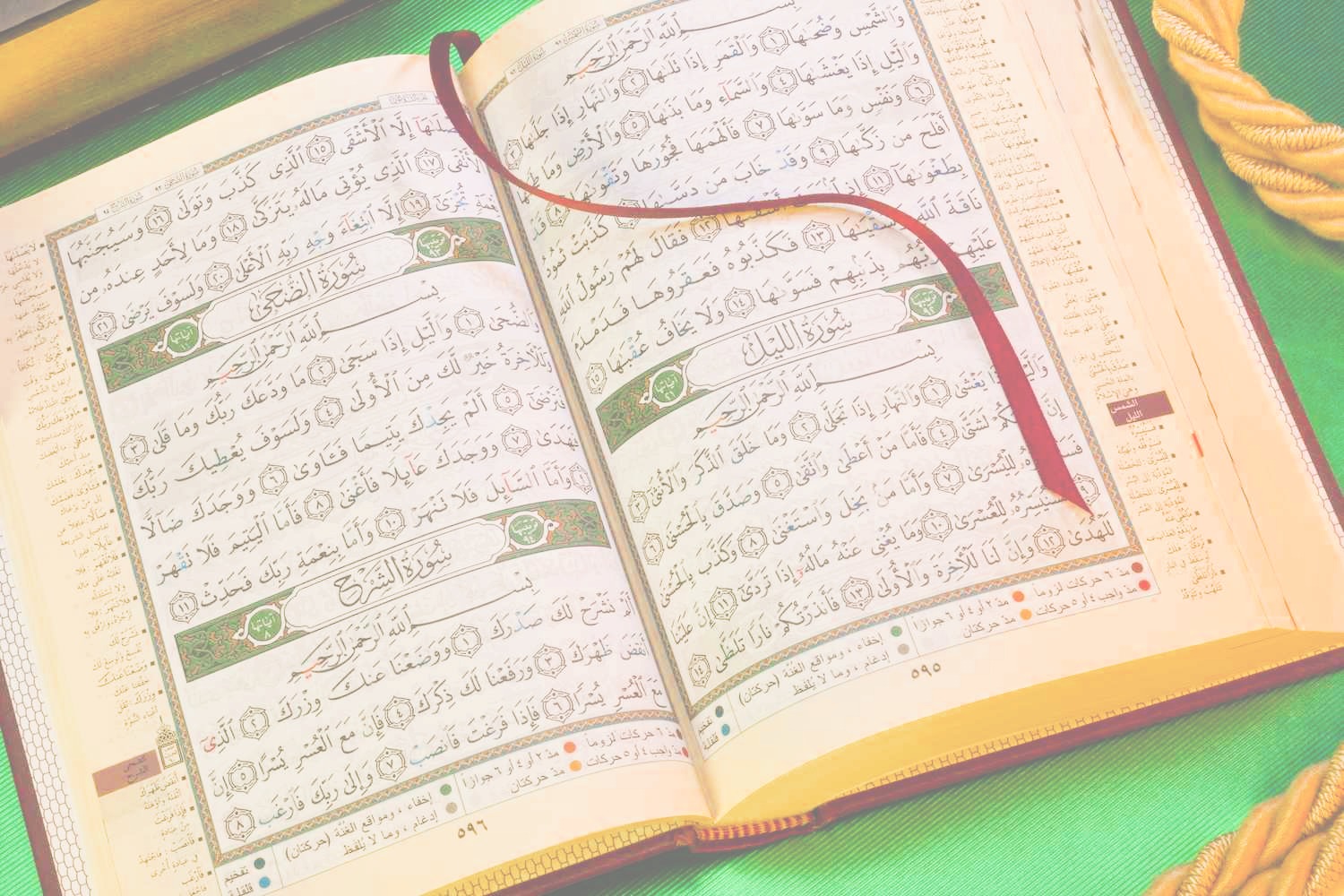
Laylatul Qadr—commonly referred to as the Night of Decree—holds a unique and exalted position in Islam. Occurring in the last ten nights of Ramadan, it is a night filled with immense blessings, mercy, and forgiveness from Allah. The significance of this night is underscored by both the Quran and Hadith, as it marks the revelation of the Quran to Prophet Muhammad (peace be upon him) and the decree of affairs for the coming year.
This comprehensive guide will delve into the virtues of Laylatul Qadr, its signs, how to seek it, and the Islamic practices associated with this sacred night.
Virtues of the Last Ten Days of Ramadan
The last ten days of Ramadan are the most spiritually intense period of the month. Prophet Muhammad (peace be upon him) would strive in worship during these nights like no other time of the year.
“When the last ten nights of Ramadan came, the Prophet would stay up at night, wake his family, and tighten his waist belt.”
(Al-Bukhari, 1920; Muslim, 1174)
These nights are dedicated to qiyaam (night prayer), du'aa’ (supplication), and I’tikaaf (spiritual retreat). The Prophet’s practice was to seclude himself in I’tikaaf, seeking Laylatul Qadr with unwavering devotion.
The Meaning and Status of Laylatul Qadr
Laylatul Qadr, mentioned explicitly in Surah Al-Qadr (97:1–5), is described as being "better than a thousand months"—equivalent to over 83 years of worship.
"Verily, We have sent it (this Quran) down in the Night of Decree... The Night of Decree is better than a thousand months..."
(Quran, 97:1–3)
This night is so sacred that sins are forgiven, du’aa’ is accepted, and the mercy of Allah envelops His believers.
The Quran and Laylatul Qadr
The Quran refers to Laylatul Qadr as a blessed night in Surah Ad-Dukhan:
“We sent it (the Quran) down on a blessed night...”
(Quran, 44:3)
According to Ibn Abbas and other early scholars, this night is when the Quran was sent down from al-Lawh al-Mahfooz to the lowest heaven, then gradually revealed over 23 years.
Destiny and Decree on Laylatul Qadr
On this night, every matter of destiny is ordained for the upcoming year:
"Therein (that night) is decreed every matter of ordainments."
(Quran, 44:4)
This includes life and death, sustenance, and all events that will unfold. Scholars like Ibn Taymiyah explain that angels receive these decrees and execute them as commanded by Allah.
Special Qualities of Laylatul Qadr
Laylatul Qadr is unique due to several divine characteristics:
-
Quran revelation occurred on this night
-
Better than 1000 months in virtue
-
Peaceful night, free of evil and harm
-
Angels descend, including Jibreel (Gabriel)
-
Destinies are written and decreed
-
Previous sins are forgiven for those who worship with sincerity
“Whoever stands (in prayer) on Laylatul Qadr out of faith and seeking reward, his previous sins will be forgiven.”
(Al-Bukhari, 1910; Muslim, 760)
How to Seek Laylatul Qadr
The Prophet Muhammad (peace be upon him) advised seeking Laylatul Qadr in the last ten nights of Ramadan, especially on the odd-numbered nights: 21st, 23rd, 25th, 27th, and 29th.
“Seek Laylatul Qadr in the last ten nights of Ramadan, on the odd-numbered nights.”
(Al-Bukhari, 1912; Muslim, 1167)
Best Practices for Seeking It:
-
Perform qiyaam (night prayer)
-
Make frequent du’aa’
-
Engage in dhikr (remembrance of Allah)
-
Read and reflect on the Quran
-
Make I’tikaaf if possible
What to Say on Laylatul Qadr
When asked what to say on this night, the Prophet advised:
“O Allah, You are Forgiving and love to forgive, so forgive me.”
(Tirmidhi, 3515)
This powerful du’aa’ reflects the spirit of seeking Allah’s mercy and pardon.
Virtues of I’tikaaf During the Last Ten Nights
I’tikaaf is a Sunnah practice where a Muslim secludes themselves in the mosque, focusing solely on worship, reflection, and seeking Laylatul Qadr.
The Prophet never missed I’tikaaf during the last ten nights of Ramadan, and after his death, his wives continued this practice.
“He used to observe I’tikaaf for the last ten days of Ramadan until Allah took his soul.”
(Al-Bukhari & Muslim)
Signs of Laylatul Qadr
Although the exact night is unknown, the Prophet and the companions described some authentic signs:
-
Calm and serene night, not too hot or cold
-
No meteors or falling stars
-
Sun rises the next day with no sharp rays
-
Peacefulness in the air and hearts of believers
-
Spiritually uplifting atmosphere
Scholarly Views on Its Date
While many scholars like Ibn Taymiyah, Al-Nawawi, and Ibn Abbas favored the 27th night, Laylatul Qadr may move from year to year. The wisdom behind this concealment is to inspire Muslims to seek it throughout the last ten nights with consistent worship.
Final Thoughts
Laylatul Qadr is a night like no other—a chance for immense reward, forgiveness, and spiritual rebirth. It is a gift from Allah, and those who strive during the last ten nights of Ramadan are among the wise and successful.
Let us not miss this once-in-a-lifetime opportunity that comes every year. May Allah accept our prayers, forgive our sins, and grant us the ability to recognize Laylatul Qadr and benefit from it fully.
Frequently Asked Questions
1. What is Laylatul Qadr?
It’s the Night of Decree in Ramadan when the Quran was revealed—better than 1,000 months in reward.
2. When is Laylatul Qadr?
It falls in the last 10 nights of Ramadan, most likely on an odd-numbered night.
3. What should I do on Laylatul Qadr?
Pray qiyaam, make du’aa’, read Quran, do dhikr, and seek Allah’s forgiveness.
4. What are the signs of Laylatul Qadr?
It’s a calm night with no meteors, and the sun rises the next day without rays.
5. What is the reward of Laylatul Qadr?
All past sins are forgiven for those who worship sincerely that night.